Cognitive Dissonance

-
Cognitive Dissonance is not a flaw, it is a signal — The internal tension we feel when our actions and values are out of alignment is the inner world trying to point us back towards integrity.
The work is honest observation, not self criticism — Noticing dissonance is meant to inform action, not to fuel shame.
Alignment lives in our sphere of influence — We cannot control every barrier in our path, but we can examine what is within our reach and begin moving with greater coherence towards the life we are trying to build.
Do you ever feel the quiet pull of misalignment?
There is a type of tension that we have all felt — we set an intention on Sunday and by Wednesday that intention might fade and we find that what we set our sight on is different from how we are actually showing up.
Cognitive Dissonance is the name for that tension. This refers to the psychological discomfort we experience when our beliefs, values, or intentions are out of alignment with our action. It is the felt sense of internal contradiction. Coined by social psychologist Dr. Leon Festinger, this dissonance tends to motivate us to do one of two things: change our behavior to match our beliefs, or change our beliefs to match our behavior.
Today, we will be exploring cognitive dissonance and getting curious about how we can find alignment between the life we are living and the life we say we want. As usual, we are not judging ourselves, but meeting this notion with curiosity to discover how real change and alignment can become possible.
When we feel that gap
When you become aware of cognitive dissonance, your mind is doing something valuable. It is registering a mismatch between what you have declared to be true and what your behavior is actually demonstrating. Though this can feel uncomfortable, it also points to where our attention needs to land.
From a CBT informed lens, cognitive dissonance is closely tied to the automatic thoughts and beliefs that we hold about ourselves. (i.e. I am someone who values my health, I am someone who follows through, I am someone who shows up in my relationships). When our behaviors don’t align, our mind might reach for the easiest available solution — rationalizing the behavior rather than addressing it. (i.e. I have been so busy, It’s not the right time, I will start next week).
These responses are not character flaws, but rather protective strategies cultivated by the mind to preserve a sense of coherence. Yet over time, when we consistently resolve dissonance by adjusting the story rather than the action, we tend to drift further from our values, and a latent sense of dissatisfaction begins to settle in.
You might see this in your own life as:
A persistent sense of being slightly behind on the life you are trying to build
Goals that have lived on your list for so long they have started to lose meaning
A reflexive irritation when someone names the very thing that you have been quietly avoiding
Honoring what is (and what isn’t) currently within reach
A part of navigating cognitive dissonance is recognizing that not all gaps between our values and our outcomes are about our choices. Many of the constraints that shape our lives are structural, systemic, financial, relational, or rooted in identity based realities that operate well outside of our personal control.
The person navigating chronic illness, caregiving responsibilities, financial strain, discrimination, and systemic barriers is facing real, material constraints that no amount of intentional alignment can fully resolve. Suggesting otherwise is to misunderstand the conditions under which some are actually living.
Cognitive dissonance work happens within our circle of influence, meaning the true workable space within our lives and contexts where we have the possibility to directly affect change. The goal is to notice, with honesty and care, the places where your choices and values can be brought into closer relationship with each other, while honoring the real constraints that shape what is and isn’t possible, currently.
This distinction is individualized and contextualized differently from person to person, and honoring context while seeking alignment is a valuable element as to not slip into self-blame. You are a whole person living inside a world with jagged edges.
Off The Page: Actioning The Insights
Practicing alignment one small step at a time

Your practice this week
This week, the practice is to bring one specific place of cognitive dissonance to light and begin closing the gap in ways that feel sustainable. Take a look at the reflection questions and strategies below to begin, and notate what insights show up for you.
Reflection Questions:
Where in your life are you aware of a gap between what you say you want and what you are actually doing?
Is this gap within your sphere of influence, or is it bumping up against real constraints that need to be honored?
If you notice yourself rationalizing or minimizing this gap, are you willing to meet this with curiosity as opposed to judgment?
Strategies:
Name the gap, without judgment
Choose a single place in your life where your actions and values are out of sync. State this plainly to yourself aloud. This is an honest act of self awareness that can be honored as an act of courage to look clearly and intentionally at your life. To support you, consider how you would lead this dialogue if you were speaking to a loved one with a similar challenge.
Identify what is within your sphere of influence
Once the gap is named, consider what is actually within your reach and notate what elements of your situation are structural, contextual, or shaped by circumstances outside of your control. Now, pose this question, “What is the most aligned action I can take here that respects the conditions of my life?”
Take one small, repeatable step
Choose a single action that moves your behavior into closer alignment with your value and commit to this one action this week. Behavioral studies show that small repeated actions outperform dramatic short lived efforts. You are not overhauling your life, you are practicing with letting your inner experience guide your outer choices.
The gap between what we want and what we do is one of the most human places to exist, and meeting it with honesty rather than avoidance is a itself an act of self respect.
Thank You
Thank you for joining me this week! I’m excited to keep sharing insights from my work, research, and personal journey with you.
Did something resonate with you? Curious about applying these strategies in your life? Or know someone who might benefit?
Use the link below to schedule a consultation or forward this newsletter to a friend!
Extras
Let your voice be heard
Click the button below to share anonymous feedback on Mindful Monday. This will support me in continually bringing aligned insights that you all can action in your day to day life to witness a shift.
● New Reads in The Library
Currently me and my book club are reading, “Happier Hour” by Cassie Holmes, PhD. Click the link below to add this title you your library and read along with us!
A Listen for the Week
As I continue to consume relevant content, I will share it here to deepen knowledge, perspective, and inquiry on a variety of topics related to wellness. This week I am sharing a recent episode from the podcast Hidden Brain, hosted by Shankar Vedantam.
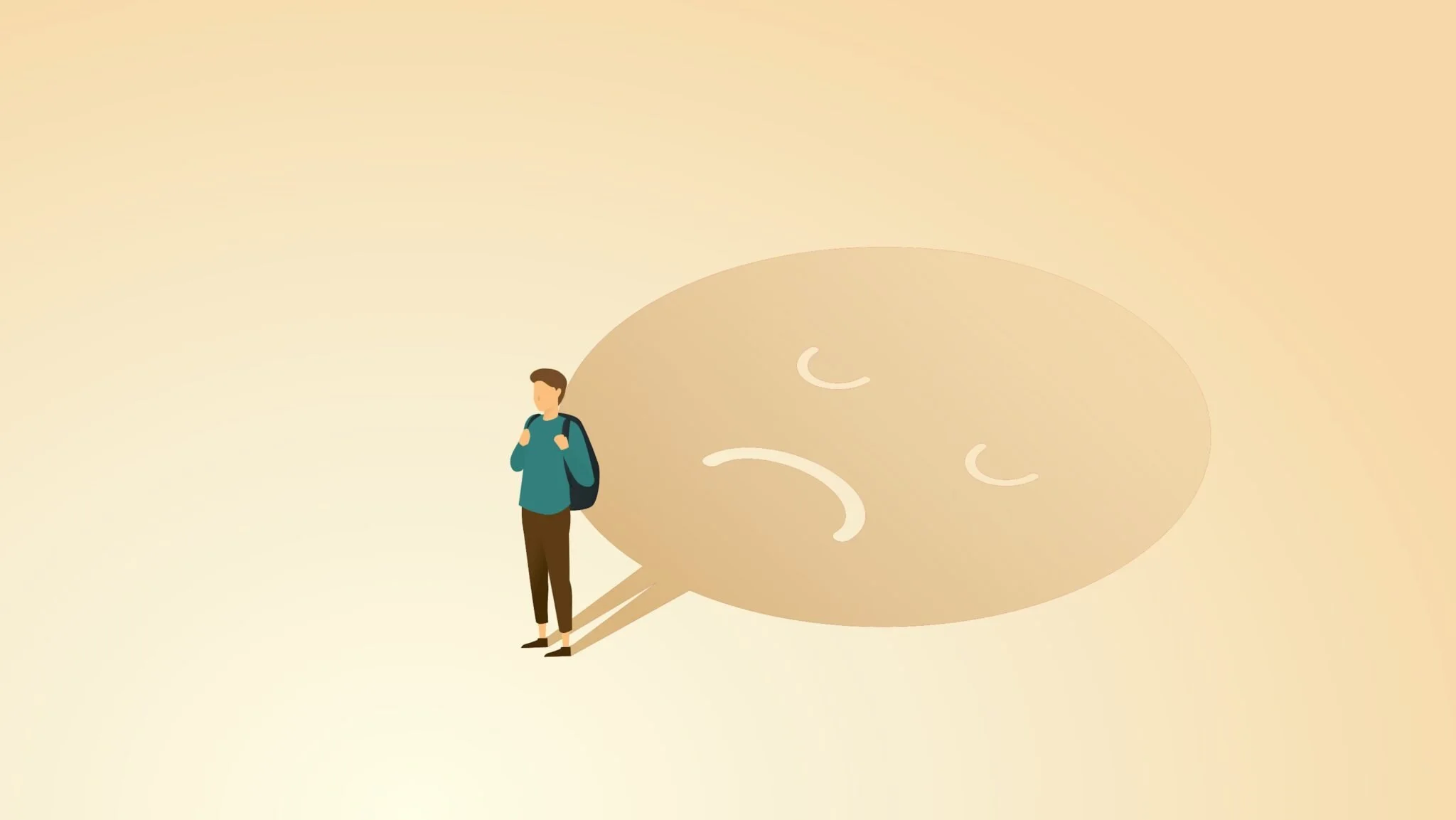
Stepping Out of the Shadows
From Hidden Brain — Why does one bad experience have the power to overshadow an otherwise good day? Psychologist Alison Ledgerwood explores the negativity bias, the deeply human tendency to hold on to what went wrong and overlook what went right.
Support My Community
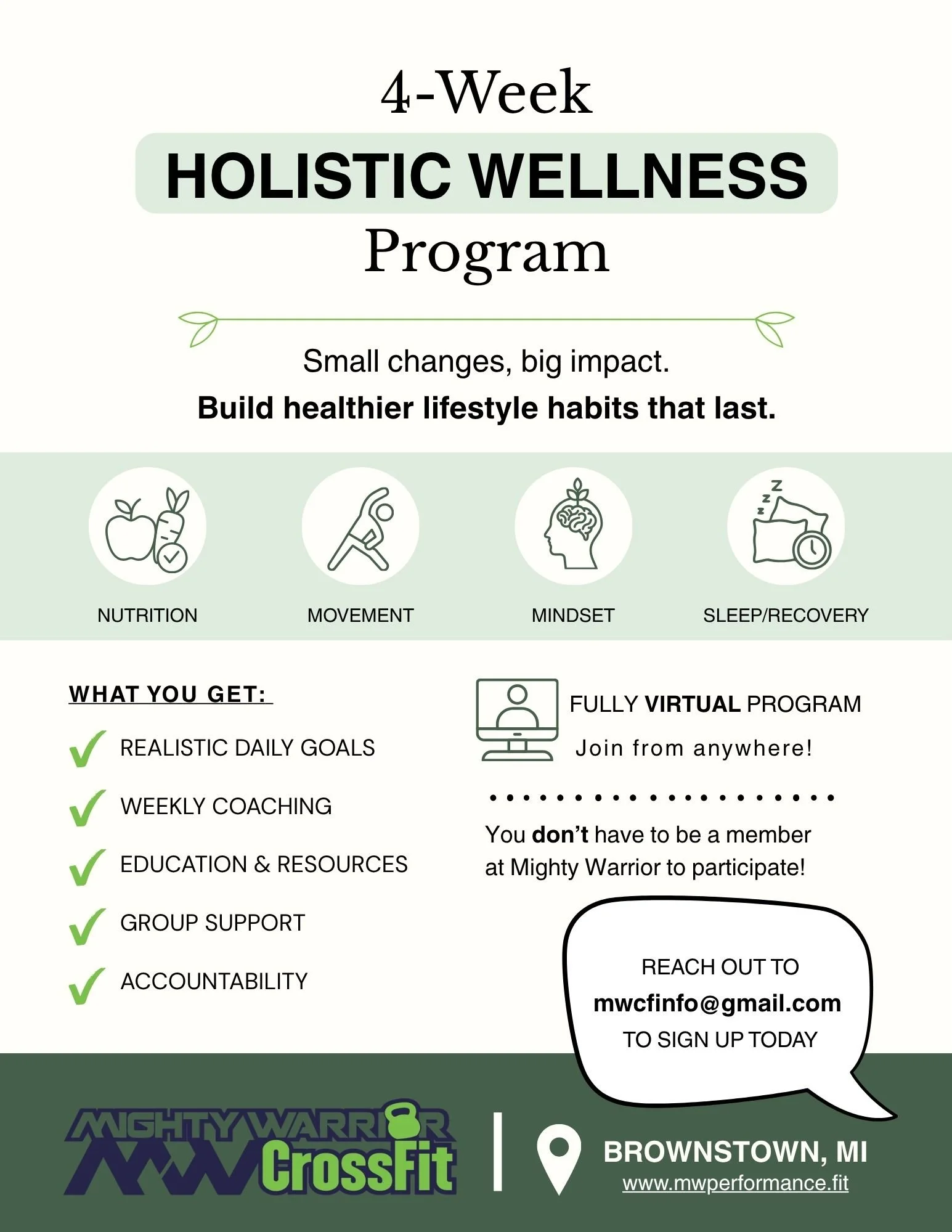
Jaycie Gauci, LMSW, CCATP is a respected colleague, practice owner, and friend of mine who is currently hosting a 4 Week Holistic Wellness Program for individuals looking to build a healthier lifestyle with support!
Check out the information below to learn more!
Follow me on instagram






Explore the Shop
Passionate about wellness? I am currently partnered with two brands that focus on the creation of products to support individual wellness. Navigate the links below to learn more!
Power of Your Purchase — For qualifying purchases, a portion of the proceeds are donated to organizations focused on supporting mental health. Click here to learn more.
Soothing, slightly weighted, pre-shrunk materials that provide comfort and calm as you take on your everyday.
● Ads
Read More