Your Relationship with Disappointment

-
Disappointment is a form of grief — When something we anticipated does not arrive, we are mourning the version of the moment that lived in our minds before reality offered something different.
The pain often lives in the resistance, not the event — Much of the suffering inside disappointment comes from our refusal to accept what has actually happened, while we are still hoping for the thing that did not.
Acceptance is not the same as passivity — Meeting reality clearly is what makes intentional, value-aligned responses possible.
Honoring the ache of what didn’t arrive
Note: A few weeks back, I focused on expectations with respect to the standards that we set for ourselves and others. Today, I intend to turn toward what happens when those expectations go unmet, the grief that can follow, and how to meet the gap with flexibility as opposed to resistance.
We have all experienced that universal human feeling of disappointment when we wanted something to happen, planned for it, and a completely different reality shows up. It might not be catastrophic, but we definitely recognize the distance between what we held in our mind and what actually unfolded.
In my work as a therapist, I see how these unnamed losses accumulate quietly inside people, contributing to a latent sense of heaviness as they navigate life. Today we look honestly at disappointment to give it recognition, and explore how meeting it with flexibility can allow us to continually expand and develop as people.
What happens when we are disappointed?
We might think that when disappointment arrives, we are simply reacting to an event. At a deeper level, we are often reacting to the disappearance of an imagined version of that event that we felt a sense of connection to.
Disenfranchised Grief — is a term used to describe a loss that is not always openly acknowledged. This type of grief isn’t always associated with rituals (e.g a funeral), but can have an impact on us as people as we are losing something. When the grief of what was expected is not honored, irritability can often arise — a sort of quiet and momentary cynicism.
You might recognize this in your life as:
A persistent mental loop replaying how things should or could have gone
Disproportionate emotional response to small set backs
A reluctance to hope for new things, in case they too fall short
When we name this experience, we give it the space it desires to take up and it can move through as opposed to settling into us. In a clinical lens the disappointment itself isn’t the most painful, but rather our resistance to it (i.e. “This should not be happening”).
Acceptance vs. Surrendering
Here, I’d like to illuminate an important distinction in the work of developing as an individual in the face of uncertainty as we navigate life. Acceptance is not surrendering, but rather the first step in cultivating meaningful change.
Radical Acceptance — is a term used in Dialectical Behavioral Therapy (DBT), aimed at acknowledging reality as it is, even when reality feels painful, unfair, or deeply unwanted. It is a choice to stop fighting what has happened, so that we may meet it intentionally with our whole attention.
This is not passivity nor surrendering, nor is it the abandonment of preference, advocacy, or change. It acknowledges that the painful or unwanted thing happened, and encourages a shift in energy from resisting to cultivating intentional actions to support you or the circumstance. As long as a part of us is still arguing with reality, we are not yet making choices in the present. Radical acceptance returns us to the only place where real change is possible — right here and right now, not there and then.
Off The Page: Actioning The Insights
Meeting disappointment with flexibility

Your practice this week
This week, the practice is to bring radical acceptance into a real moment of disappointment in a way that honors what was lost and what is now possible. Take a look at the reflection questions and strategies below, and experiment this week while notating your responses.
Reflection Questions
What recent disappointment have you minimized or told yourself not to feel?
What part of you is still arguing with reality?
What becomes possible when you stop resisting what has happened?
Strategies
Name the disappointment clearly
When something doesn’t unfold the way you desired, name this directly (“I am disappointed”). This isn’t an exaggeration or dramatization, you are making space to recognize the truth of how you feel. Often when we directly recognize the pain we are facing, big or small, we equip ourselves with the insight on what our next steps need to look like to support ourselves.
Let the body have its moment
Disappointment, like many emotions, can be felt somatically. Place your hand over the location where the sensation lives and take slow deep breaths. You are not trying to make this go away, but rather reinforcing that you can be with discomfort and still remain grounded and safe. Focus on meeting yourself compassionately in the same way you would offer up grace to a loved one.
Ask one forward facing question
“Given what I have recognized, what is the most intentional response that I can offer up at this time?” You are not abandoning what you wanted, but rather redirecting your energy towards the here and now, rather than continually focusing on what you had planned for. Sometimes the answer is rest, other times its a new plan — whatever surfaces is yours individually to follow.
Disappointment will always be a possibility of future oriented planning. The work is to develop the flexibility and capacity to meet what arrives, even when it is separate from what we had expected.
Thank You
Thank you for joining me this week! I’m excited to keep sharing insights from my work, research, and personal journey with you.
Did something resonate with you? Curious about applying these strategies in your life? Or know someone who might benefit?
Use the link below to schedule a consultation or forward this newsletter to a friend!
Extras
Let your voice be heard
Click the button below to share anonymous feedback on Mindful Monday. This will support me in continually bringing aligned insights that you all can action in your day to day life to witness a shift.
● New Reads in The Library
Currently me and my book club are reading, “Happier Hour” by Cassie Holmes, PhD. Click the link below to add this title you your library and read along with us!
A Listen for the Week
As I continue to consume relevant content, I will share it here to deepen knowledge, perspective, and inquiry on a variety of topics related to wellness. This week I am sharing a recent episode from the podcast Hidden Brain, hosted by Shankar Vedantam.
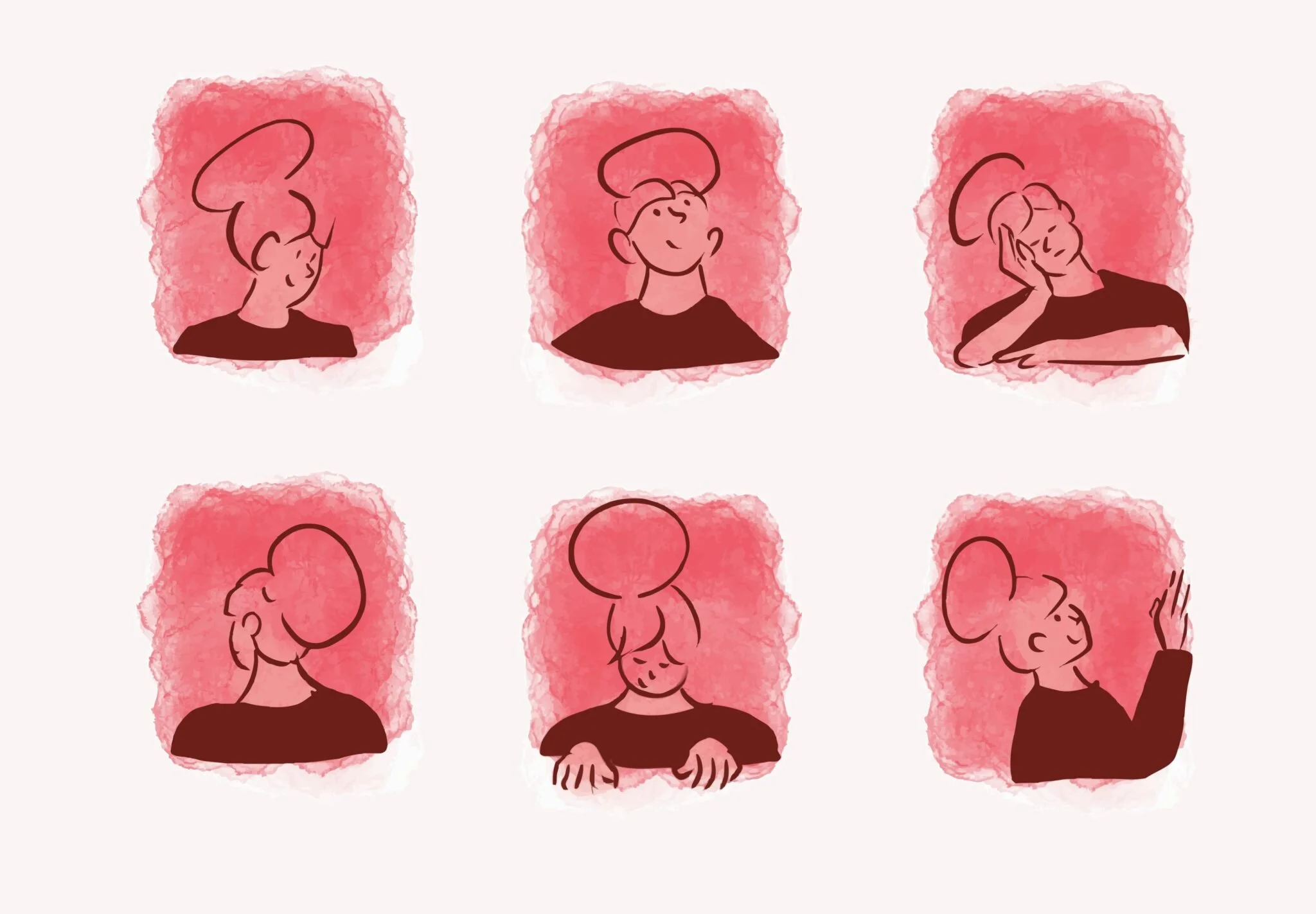
Who Are You, Really?
From Hidden Brain — “You’re not the same person with your friends as you are with your co-workers or your kids. This week, political scientist Eric Oliver explores why we often feel divided within ourselves, and how we can learn to live more peacefully within those contradictions.”
Support My Community
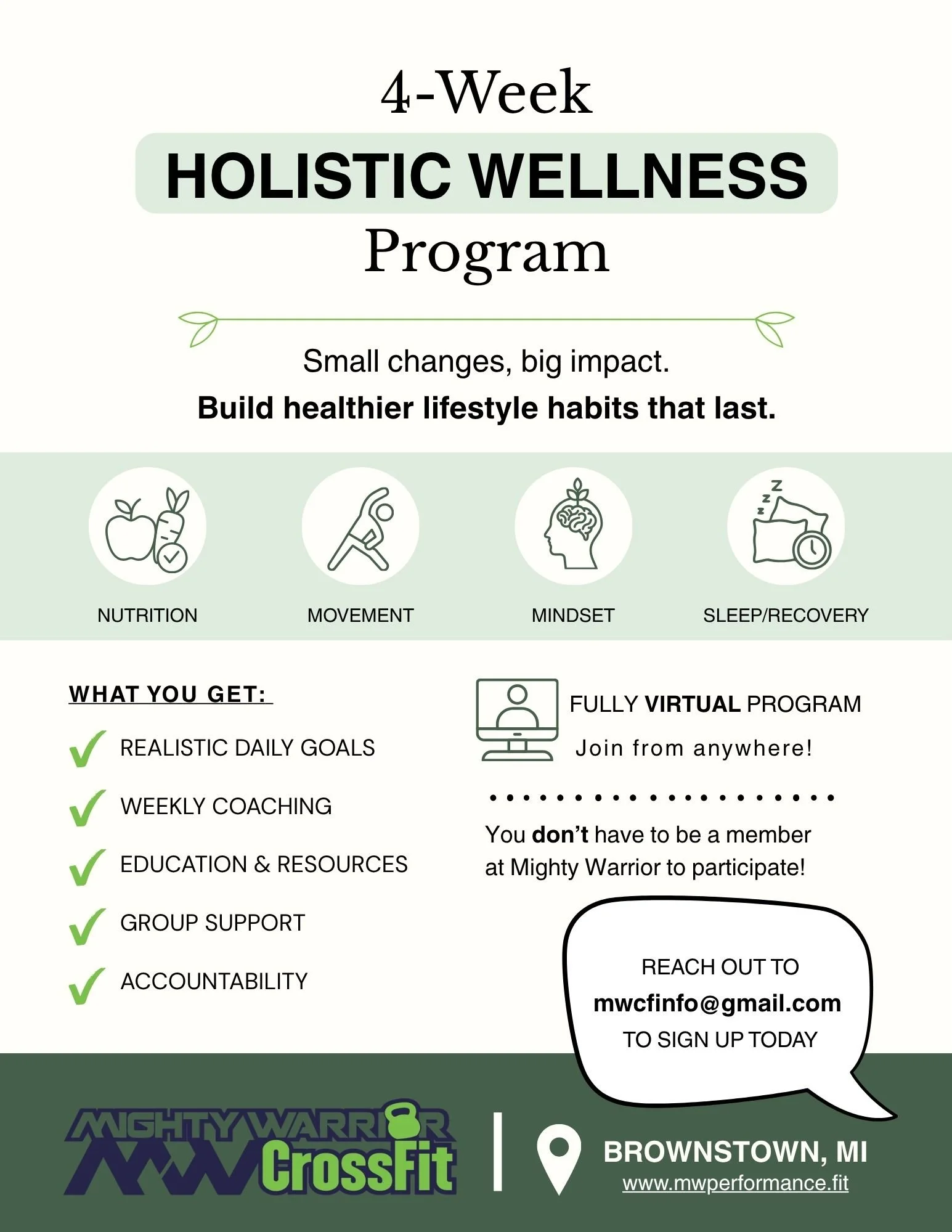
Jaycie Gauci, LMSW, CCATP is a respected colleague, practice owner, and friend of mine who is currently hosting a 4 Week Holistic Wellness Program for individuals looking to build a healthier lifestyle with support!
Check out the information below to learn more!
Follow me on instagram



Explore the Shop
Passionate about wellness? I am currently partnered with two brands that focus on the creation of products to support individual wellness. Navigate the links below to learn more!
Power of Your Purchase — For qualifying purchases, a portion of the proceeds are donated to organizations focused on supporting mental health. Click here to learn more.
Soothing, slightly weighted, pre-shrunk materials that provide comfort and calm as you take on your everyday.
● Ads
Read More