On Dopamine
-
The pursuit of constant pleasure produces the very pain we are trying to escape — The nervous system maintains balance, and every tilt toward pleasure is followed, by a tilt towards discomfort.
A more honest relationship with pain is the doorway to genuine pleasure — When we stop running from discomfort, we begin to recover the capacity to feel joy in simpler, more sustainable ways.
Addiction is not a distant clinical phenomenon — It is a heightened version of a dynamic that affects all of us in the modern world, and paying attention to what those most affected have learned can teach us how to live more freely.
-
Think about the last time a piece of music stopped you in your tracks, or a novel kept you up late at night. Why do these experiences feel so powerful? Psychologist Daisy Fancourt says engagement with the arts can help to regulate our emotions, build resilience, and support long-term well being.
Click here to listen to the episode from Hidden Brain!
Disrupting balance
My book club and I recently finished Dopamine Nation by Dr. Anna Lembke and this Mindful Monday is inspired by her text that names a subtle truth, that once you see you cannot unsee.
Lembke’s central observation is that we are living in an unprecedented era of dopamine abundance (i.e. smartphones, entertainment, food, etc.), and though we have more outlets to experience rewards or pleasure faster, extraordinary comfort and convenience has slowly disrupted balance within the human nervous system.
You might already be able to relate to some of this: the compulsive reach for your phone, the subtle restlessness in a moment of stillness, the difficulty tolerating boredom, a sense that we are constantly seeking out something without quite landing there.
Today is an invitation to reflect on your relationship with dopamine, pleasure, and pain. Today, we will consider how the balance between them may have shifted, and explore what becomes possible when we work with discomfort as opposed to cyclically avoiding it.
Pleasure and Pain
This Mindful Monday is anchored by what Lembke describes as the pleasure-pain balance. She illustrates an image of a seesaw in the brain, with pleasure on one side and pain on the other. When we experience pleasure, the balance tips in that direction. But as the brain is designed to maintain equilibrium, it will always tilt that seesaw back towards pain to restore balance.
This is known as opponent process theory — when the neural pathways associated with pleasure are activated, the brain compensates by generating an opposing process. Short term, this is why the “crash follows the high”. Long term, this is why the same amount of a pleasurable stimuli produces less pleasure over time and why we need more of it to feel the same effect.
In a world of dopamine abundance, we have been metaphorically pressing on the pleasure side of the balance consistently, and with such variety of stimuli, that the balance has been quietly tilting further and further toward pain. This means that our baseline state is no longer neutral, but rather it is subtle, chronic discomfort, and restlessness — which then drives us to seek more pleasure, which then deepens the tilt towards pain, and the cycle continues.
Maybe you have already noticed:
A sense that things that used to bring you joy no longer produce the same feeling
A restlessness in ordinary moments that used to feel peaceful
A difficulty tolerating boredom, silence, or being alone with your own thoughts
Understanding the balance matters because it reframes so much of what we experience. In a previous post on comparison and social media, we explored one of the primary environments in which this dynamic plays out. Click the link below to explore.
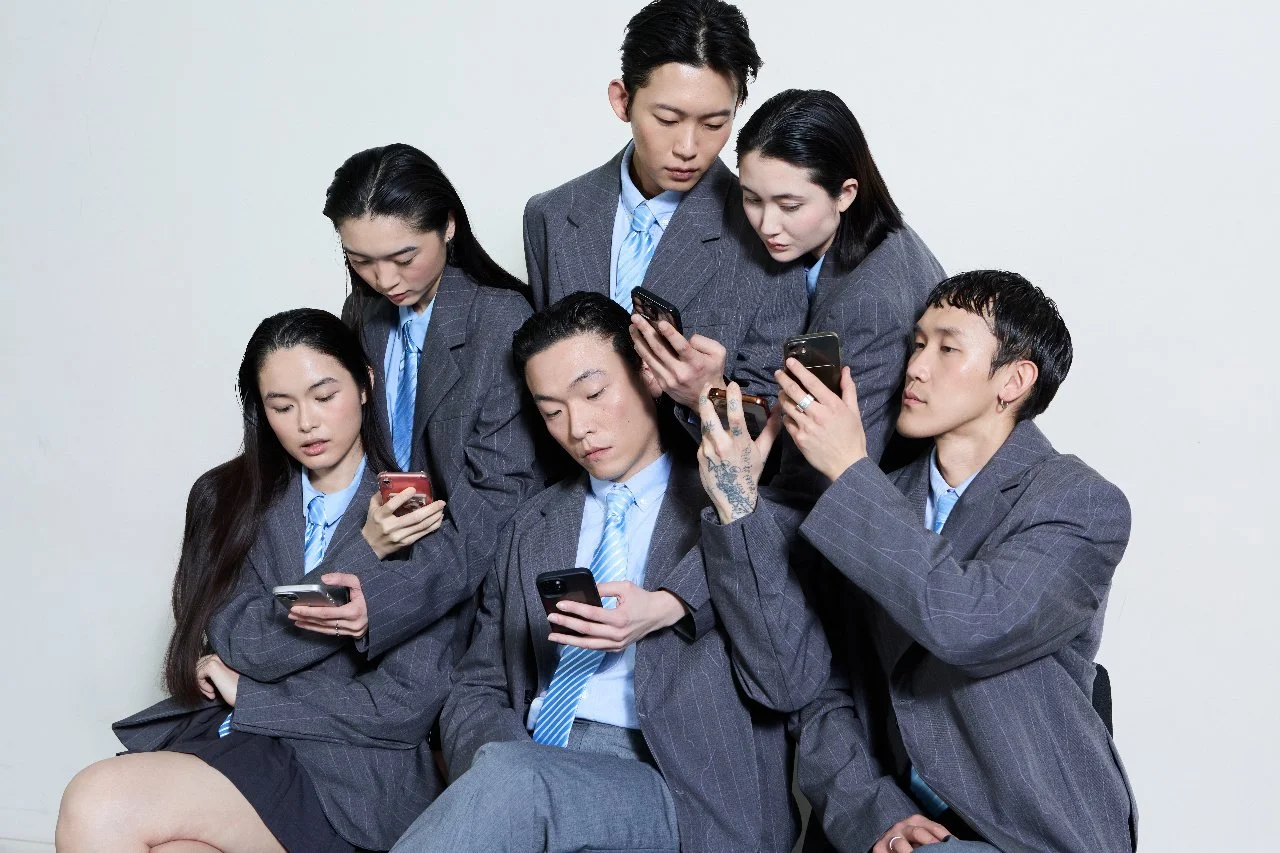
Related Read — Comparison Traps
The problem is rarely social media itself, it is the way we use it, and the way it invites us to define our own lives through the curated highlight reels of everyone else’s.
What we learn from addiction
A valuable standout in Dopamine Nation, is the author’s use of decades of work with clients navigating addiction to illuminate a dynamic that affects everyone. She frames addiction not as a distant, categorical phenomenon that happens to other people, but as a heightened version of the pleasure-pain dynamic that runs through all of our lives.
The person struggling with substance use it not experiencing a fundamentally different biology than the rest of us — they are experiencing the same pleasure-pain balance we all navigate in a acutely disrupted form. This reframing, invites a more compassionate relationship with those navigating addiction and ourselves. We may not be reaching for substances, but the underlying dynamic is often the same (i.e. constantly reaching for our phones, food, work, achievement, novelty, distraction, entertainment — the doom scroll).
Lembke reveals truths, from work with addicted populations, that can be universally applied.
The brain’s reward pathway can be reset through period of intentional restraint. Though momentarily painful, immersion within the world of uncertainty and challenge, rather than attempting to escape from it is where sustainable pleasure is ultimately found.
If the balance tilts toward pain when we press on pleasure, the reverse is also true. When we intentionally press on the pain side, through small deliberate experiences of discomfort, the balance tilts back towards pleasure (i.e. cold exposure, fasting, strenuous exercise, sitting with difficult emotions). Over time, these experiences shift the pleasure-pain balance, restoring our capacity for genuine joy in simpler, more ordinary experiences.
Off The Page: Actioning The Insights
Recalibrating the balance
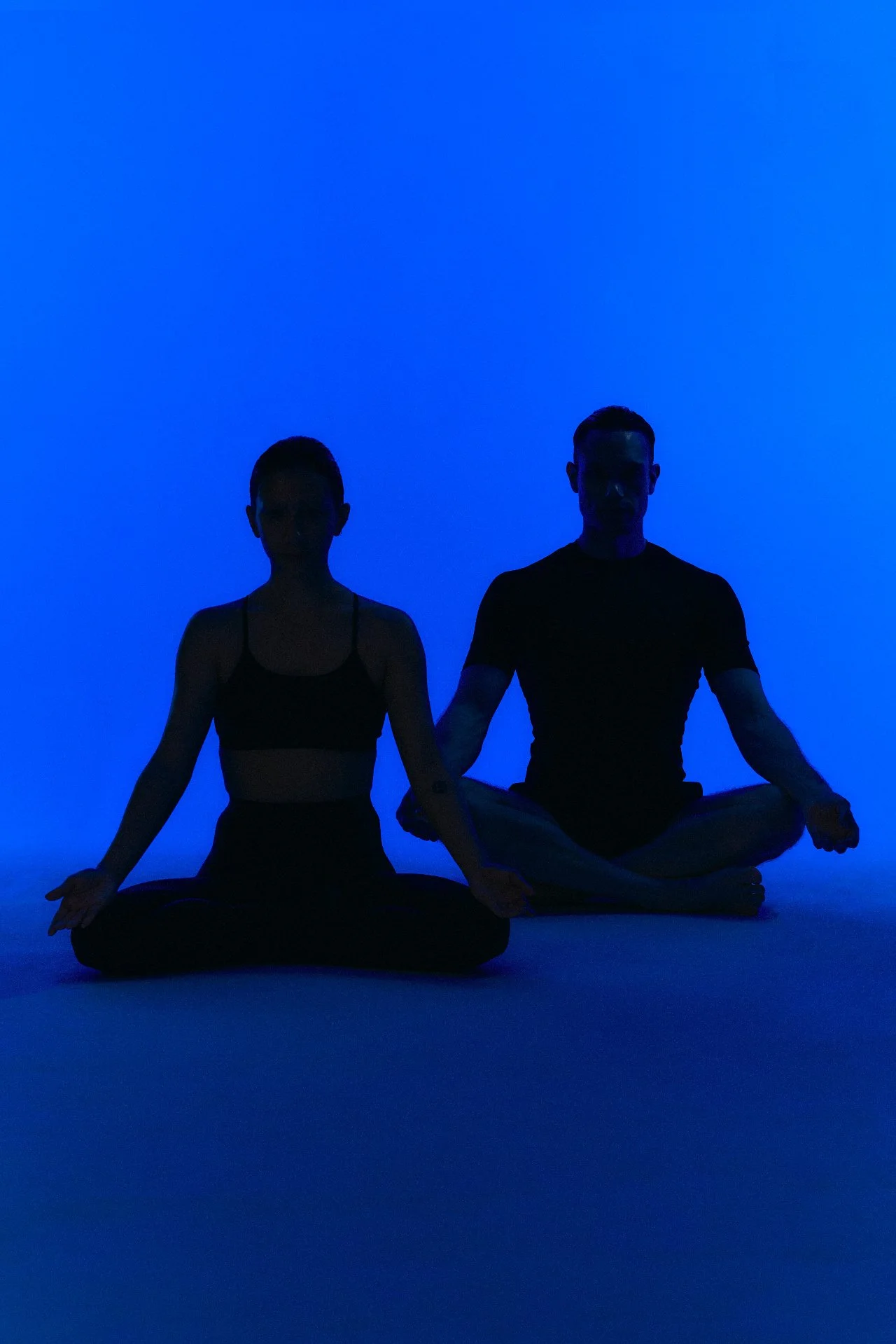
Your practice this week
This week, the practice is to begin resetting your relationship with the pleasure-pain balance. Review the reflection questions and strategies below (informed by Lembke’s work), and take note of any insights that arise for you.
Reflection Questions:
What sources of pleasure have become compulsory for you? (the ones you reach for without conscientiously deciding to)
When was the last time you were with yourself in a moment of boredom, silence, or stillness, without reaching for anything?
What is your baseline emotional state when you have not recently consumed dopamine?
Strategies:
Dopamine Fast
Choose one dopamine releasing stimulus in your life that you suspect has become compulsive. Take a break from it for the day or the week if possible — take note of your responses. Lembke describes that this is one of the most powerful ways to reset the brain’s reward pathway.
Choose Discomfort
Add one small, intentional experience of physical or emotional discomfort to your week. Remember that discomfort is subjective so this could mean a cold shower, a long walk without your phone, a hard workout, or even sitting with a feeling or recognition that you have been distracting yourself from. This is not punishment, this is a gentle press of the pain side of the balance in order to work towards more sustainable equilibrium.
Practice Radical Honesty
Lembke describes radical honesty as one of the most powerful tools for restoring integrity and connection in our lives. Choose one moment this week to tell the truth in a way that you might normally soften or avoid. This is not cruelty or oversharing — but allowing the words you share with others to truly match your experience.
The “aliveness” that you are seeking is not found in running from discomfort, but by meeting the omnipresent unpredictability of life with care, presence, and intentionality.
Thank You
Thank you for joining me this week! I’m excited to keep sharing insights from my work, research, and personal journey with you.
Did something resonate with you? Curious about applying these strategies in your life? Or know someone who might benefit?
Use the link below to schedule a consultation or send this newsletter to a friend!
Extras
Let your voice be heard
Click the button below to share anonymous feedback on Mindful Monday. This will support me in continually bringing aligned insights that you all can action in your day to day life to witness a shift.
The Library
Check out my favorites, organized by genre, and read along with me!
A Listen for the Week
As I continue to consume relevant content, I will share it here to deepen knowledge, perspective, and inquiry on a variety of topics related to wellness. This week I am sharing an episode from Hidden Brain.
What art does for your brain
Think about the last time a piece of music stopped you in your tracks, or a novel kept you up late at night. Why do these experiences feel so powerful? Psychologist Daisy Fancourt says engagement with the arts can help to regulate our emotions, build resilience, and support long-term well being.
Follow me on instagram
Explore the Shop
Passionate about wellness? I am currently partnered with two brands that focus on the creation of products to support individual wellness. Navigate the links below to learn more!
Power of Your Purchase — For qualifying purchases, a portion of the proceeds are donated to organizations focused on supporting mental health. Click here to learn more.
Soothing, slightly weighted, pre-shrunk materials that provide comfort and calm as you take on your everyday.
● Ads
Read More