
Navigating Resistance
-
Resistance often operates below the surface — resistance often shows up as procrastination, busyness, distraction, and avoidance that we rarely stop to examine.
What we resist is often what we most need — the things we resist often point directly towards the areas of our lives asking for the most attention
Awareness is the first act of change — learning to notice resistance without judgement is the beginning of a transformational journey
What would we notice if we slowed down?
There is a specific type of stillness that most of us might avoid. This isn’t because we are lazy or indifferent, but because in this stillness something begins to show up. Maybe the feelings we haven’t had time to tend to, the truths we have been ready to face, or even the changes that we know need to happen but struggle to cultivate.
Resistance is the part of us that keeps moving so that stillness never quite arrives. It is one of the quieter forces in our lives that can go unnoticed or unexamined at times. Though it doesn’t really announce itself, we can hear it in the: “I’ll start Monday”, “Now isn’t quite the right time”, or “I’ve just been too busy.” We might find ourselves finding reasonable explanations for why the thing that matters continually gets delayed.
As usual, this Mindful Monday is about engaging greater curiosity, and discovering places in your life where resistance may be quietly pulling the strings. A notable reference within this article is Kristen Neff (Psychologist, Self Compassion Researcher, and someone whose work I deeply admire), who reminds us that resistance is something we cannot see until we learn how to observe ourselves clearly.
Resistance defined
Resistance is the conscious or unconscious opposition to change, emotional experience, or self awareness. It is an internal force that moves us away from discomfort, even when the discomfort carries something important inside it.
Kristen Neff, in her work on self compassion, speaks to resistance as a natural response to pain — something that we might not even notice if we don’t pause and observe. She notes that this pause, when initiated without judgement, is itself a form of self compassion. The invitation here is to not fight against the discomfort that might arise, but get curious about what it is protecting.
We may recognize resistance as:
Repeatedly postponing a conversation you know needs to happen
Filling time with activity to avoid sitting with something uncomfortable
Feeling unusually irritable or numb when a particular topic arises
From a CBT perspective, resistance is frequently maintained by avoidance. Though avoidance is relieving in the short term, it tends to strengthen the very discomfort it is trying to escape.
What we might resist the most:
Resistance rarely shows up in an abstract way, but rather arising next to the specific areas of life where emotional stakes are the highest. Take a look at the list below of common places where resistance can show up and notate what resonates with you:
Difficult Emotions — grief, anger, shame, or fear that feel too large or too uncertain to sit with
Relationships — conversations about needs, boundaries, or disappointments that feel risky to have
Identity and Change — transitions, endings, or new chapters that require a releasing of a version of who we have been and discover who we might be becoming
Neff’s work proposes that resistance to our pain is the root of our suffering — not the pain itself, but our unwillingness to acknowledge it.
Off The Page: Actioning The Insights
Working with Resistance
Your Practice
Resistance is deeply personal. The specific form it takes in your life is shaped by your unique circumstances and life history. This week, the practice is one of compassionate observation. I frequently utilize the Mindful Self Compassion Workbook in my work with my clients as a starting point to shifting inner dialogue.
For this week’s practice I am sharing a excerpt from this text, a strategy from the seventh chapter titled, “Letting Go of Resistance”. To grab this full text, click the button below!
Exercise: How Do I Cause Myself Unnecessary Suffering
Think of a current situation in your life where you feel that resisting the reality of something painful is causing you unnecessary suffering and may actually be making things worse than they need to be (e.g. procrastinating on a big project, resenting something about your current job, harboring anger towards your neighbors barking dog). Then write it down.
How do you know that you are resisting? Is there any discomfort in the body or the mind? Can you describe it?
What are the consequences of resisting? For example, how might your life be easier if you stopped resisting or at least resisted a little less?
Can you see that resistance might be serving you in some way? Perhaps resistance is helping you not to feel certain feelings that could be overwhelming. If difficult feelings arise, be kind to yourself. Honor your resistance, knowing that sometimes it allows you to function in the world.
Now consider how mindfulness or self compassion might help lessen your resistance in this situation. Might validating the pain (“This is tough”) and letting it into your life (“opening the hand of fear”) make things easier or more difficult? Or would offering yourself a little understanding (“It’s not your fault”) or remembering common humanity (“This is how people feel in these situations”) bring some relief?
Reflection from Kristen Neff:
Some people feel a bit vulnerable after doing this exercise. Letting go of our resistance means opening to pain, and it’s hard to open to pain. It may require acknowledging that we often don’t have as much control over the events of our lives as we would like. This is where we need to give ourselves great kindness and compassion. If you’re feeling at all upset after doing this exercise, try putting a hand over your heart or some other soothing place and saying some supportive words to yourself. What would you say to a friend who was feeling like you are at the moment? Can you try saying something similar to yourself.
Resistance is not the enemy of your growth, it is often clarifying. The things we most consistently avoid have a way of pointing directly towards what needs our attention the most.
Thank You
Thank you for joining me this week! I’m excited to keep sharing insights from my work, research, and personal journey with you.
Did something resonate with you? Curious about applying these strategies in your life? Or know someone who might benefit?
Use the link below to schedule a consultation or forward this newsletter to a friend!
Extras
Let your voice be heard
Click the button below to share anonymous feedback on Mindful Monday. This will support me in continually bringing aligned insights that you all can action in your day to day life to witness a shift.
● New Reads in The Library
Currently me and my book club are reading, “The Five People You Meet in Heaven” by Mitch Albom. Click the link below to add this title you your library and read along with us!
A Listen for the Week
As I continue to consume relevant content, I will share it here to deepen knowledge and inquiry on a variety of topics related to wellness.
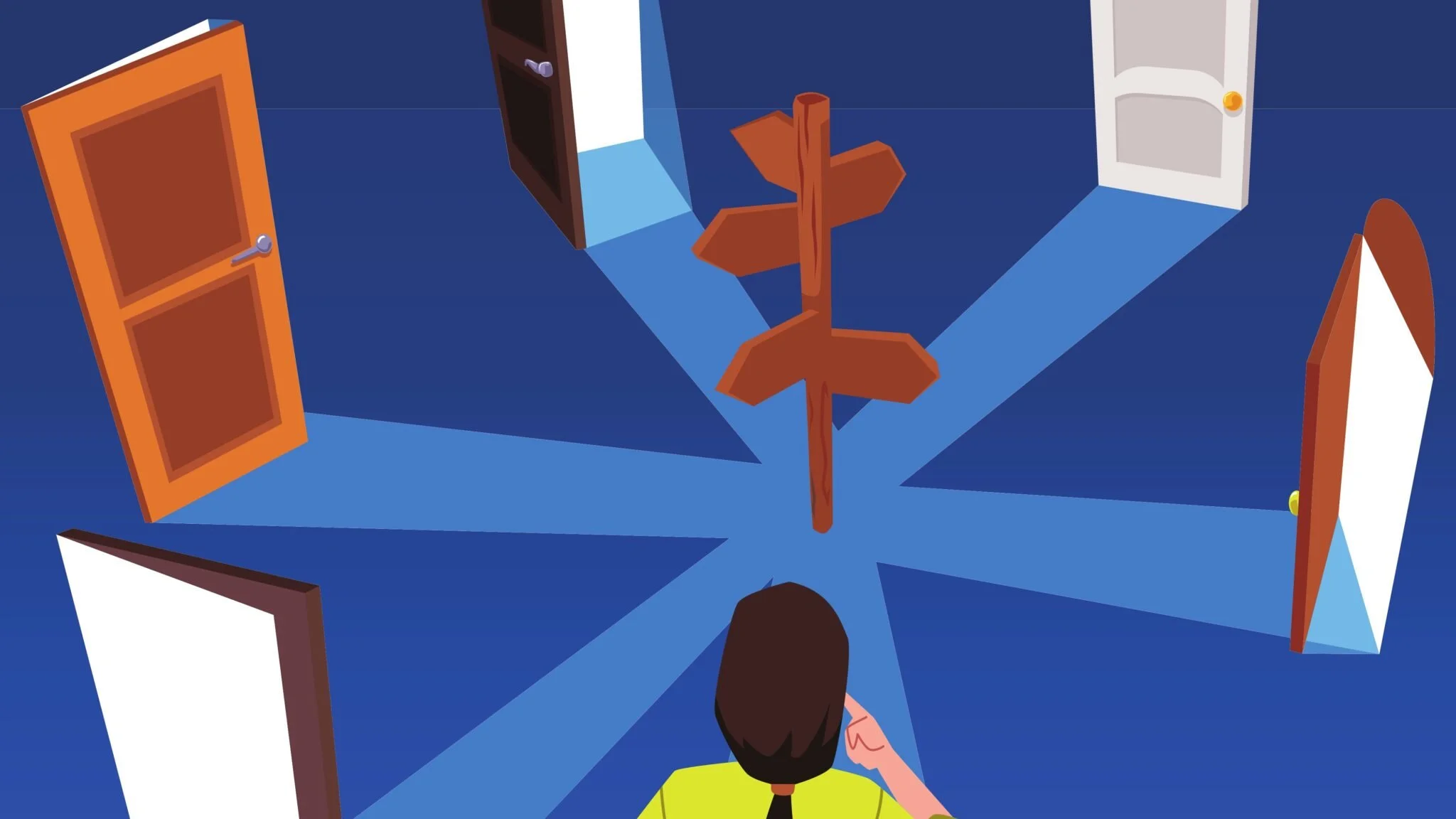
Designing a Life that Matters
We tell ourselves that meaning comes from impact, passion, or finding the “one right path”. But these beliefs can leave us feeling stuck — even when our lives look perfectly fine on paper.
Behavioral scientist Dave Evans describes a new approach, borrowed from design thinking, to help us build lives that feel more alive, flexible, and real.
Follow me on instagram

Explore the Shop
Passionate about wellness? I am currently partnered with two brands that focus on the creation of products to support individual wellness. Navigate the links below to learn more!
Soothing, slightly weighted, pre-shrunk materials that provide comfort and calm as you take on your everyday.
● Ads
Read More
