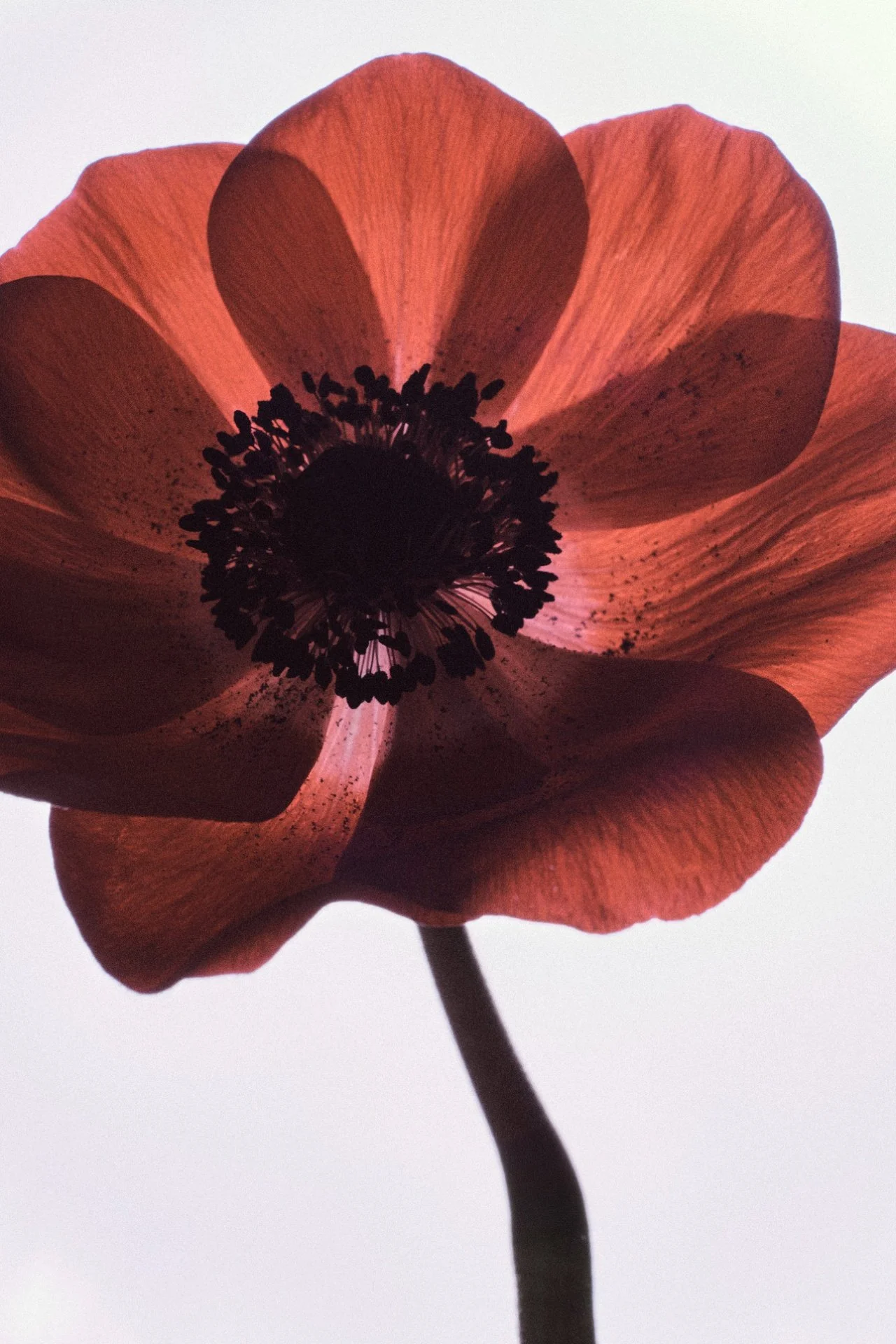
Staying in the Middle

The Pull of Highs and Lows
There are moments in life where everything feels like it’s working — you receive good news, something aligns, a conversation lands just right. Suddenly your mood is lifted and you are more energized and open.
Contrast this experience to moments when things don’t go your way. Maybe a plan falls through, relationship tension shows up, or something disruptive arises during your day. Suddenly, your mood follows and you find that you are slipping in the opposite direction.
If we pay close attention, we might notice that our internal state can very quickly mirror the external world. If our sense of stability becomes tied to what is happening around us, we can find ourselves constantly in flux, rarely feeling as if we have truly landed anywhere.
Let’s explore the why, and how to navigate this human experience with greater intention.
Why Our Mood Shifts
Our brains are wired to respond to stimuli. Positive experiences activate reward pathways, reinforcing pleasure and approach. Negative experiences active threat detection systems, preparing us to respond to protect.
In our contemporary context, stimuli is constant and emotionally charged — at times it can feel like so much is going on outside of us, we feel a sensation of being pulled in different directions, and reacting, as opposed to responding to stimuli adaptively.
To cultivate balance, we can shift our relationship with external stimuli.
The Middle Ground — A Different Way of Relating
The middle ground is a steady reference point that can exist alongside whatever arises in our lives — not flattening of emotion, and not indifference.
In Buddhist philosophy, this concept is known as One Taste. It suggests that all experiences (i.e. pleasant, unpleasant, neutral) share a common underlying nature when observed with awareness. Rather than clinging to what feels good or resisting what feels bad, the practice becomes noticing that everything passes, everything changes, and everything can be held within the same field of awareness.
Though referencing an ideological philosophy, the encouragement here is not about abandoning your beliefs, but integrating a new perspective in ways that allows us to question, “What if the goal isn’t to stay high or avoid feeling low, but to remain grounded enough to experience both without losing yourself in either?”
What does contemporary psychology reveal to us?
This middle state, one taste, can be translated through the lens of modern psychology to point to: a regulated state.
This is a place where your nervous system is not overwhelmed or shut down, you can observe your experience without immediately reaction, a grounded baseline that allows for flexibility rather than reactivity. We can observe this middle space with respect to modern theoretical perspectives:
Dialectical Behavior Therapy (DBT) reveals the balance and integration of emotion and reason
Acceptance and Commitment Therapy (ACT) reveals the psychological flexibility required to make sense of internal experiences without being governed by them
The end goal here, that can be practiced and acquired, is the capacity to feel without being carried away.
Off The Page: Actioning The Insights
Anchoring yourself to the here and now

Finding Stillness in the Midst of Stimuli
Stillness, the middle ground, in everyday life looks like:
Noticing when something good happens and allowing yourself to enjoy it fully without gripping it to tightly
Recognizing when something difficult arises and allowing it to be there without immediately trying to escape it
Returning again and again to a sense of internal grounding, cultivating capacity and resilience
Take a look at the practices below and carry what resonates into your week ahead.
Name the Shift
When your mood changes, label this in your mind explicitly (e.g. “I notice that I am feeling elevated right now.”). This action creates space between you and the experience, reducing automatic reactivity.
Find a Physical Anchor
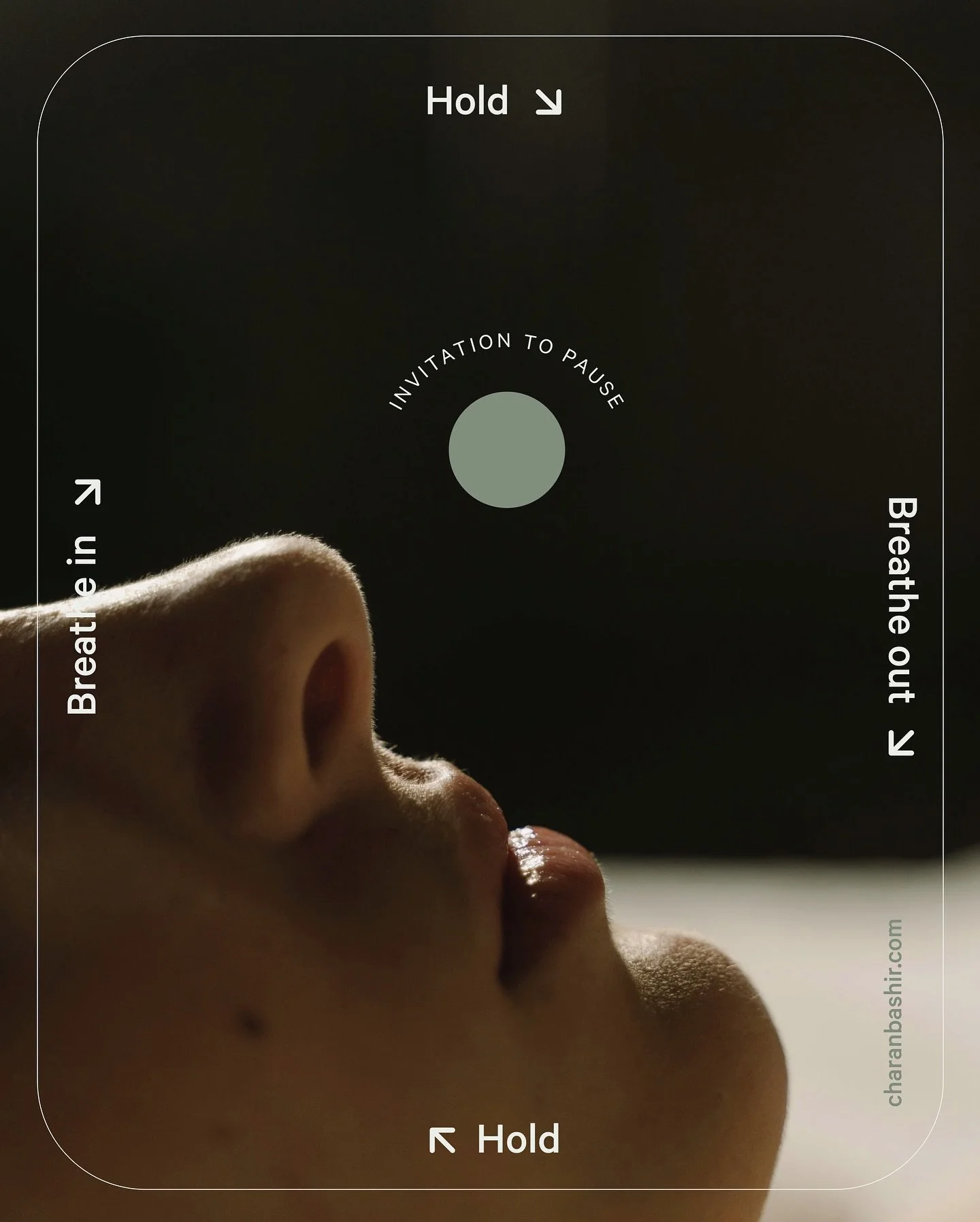
Bring your attention to something steady in your body (i.e. your breath, your feet on the ground, the weight of you body in a chair). This supports your nervous system in the midst of activation by affirming that something within you can remain steady, even as your emotions shift.
Create a Personal Grounding Phrase
Create a simple internal reminder to reinforce anchoring in the midst of external fluctuations. (i.e. “I can stay present in this moment.” or “Moments will come and go, and I will still be here.”)
The work is to discover which parts of you remain steady, regardless of external stimuli — and to find yourself, again and again, within the full range of your experience.
Thank You
Thank you for joining me this week! I’m excited to keep sharing insights from my work, research, and personal journey with you.
Did something resonate with you? Curious about applying these strategies in your life? Or know someone who might benefit?
Use the link below to schedule a consultation or forward this newsletter to a friend!
Extras
Let your voice be heard
Click the button below to share anonymous feedback on Mindful Monday. This will support me in continually bringing aligned insights that you all can action in your day to day life to witness a shift.
The Library
Currently me and my book club are reading, “I Who Have Never Known Men” by Jacqueline Harpman. Click the link below to add this title you your library and read along with us!
Related Listen for the Week
As I continue to consume relevant content, I will share it here to deepen knowledge and inquiry on a variety of topics related to wellness.

How to become more patient, with Sarah Schnitker, PhD
Life is full of situations — and people — that try our patience, from a standstill traffic jam to an obstinate preschooler who won’t put on her shoes. Sarah Schnitker, PhD, talks about why patience can be so hard to come by; whether modern life and modern technology have made us less patient; the difference between patience and passivity; and cognitive strategies to build up your ability to be patient.
Follow me on instagram


Explore the Shop
Passionate about wellness? I am currently partnered with two brands that focus on the creation of products to support individual wellness. Navigate the links below to learn more!
Soothing, slightly weighted, pre-shrunk materials that provide comfort and calm as you take on your everyday.
● Ads
Read More