Understanding “Niceness"

-
Niceness and Kindness are not the same — Niceness prioritizes superficial harmony, Kindness prioritizes true connection, honesty, and integrity.
Chronic Niceness is often a learned response, not a free choice — For many of us, being nice was an early strategy for safety, belonging, or feeling loved.
Intentionality is the bridge — When our warmth flows from our values rather than from fear of disapproval, it stops costing us our sense of self.
Where are you performing?
Nice — its the particular kind of social effort that most of us are very fluent in. Think about the smile that arrives, even when something in you has contracted, the “yes” that pours out before you intentionally consider something, or the reassuring tone we adopt to soothe someone’s discomfort at the cost of our own.
It almost feels perfectionistic (IMO*), recognizing the felt sense that says, “If we can just get this interaction right, manage everyone’s experience of us, leave no edges exposed, we will be safe, liked, included, and kept.” I find that in conversations with people, I discover more and more that “niceness” is a form of social currency we have learned to invest to maintain approval and belonging.
Today, is not an invitation to be rude as the antithesis to niceness — but to discern the difference between kindness that flows from our values, and niceness that flows from our fear of a lack of acceptance. We are on a shared mission today to reclaim authenticity over the performative nature of being seen as “nice”.
The Chronic Nature of Fawning
Within a trauma informed perspective, a pervasive preoccupation with being seen as nice, due to a fear of not being accepted, is indicative of the fawn response. Now this is not the case for everyone everywhere, but this is used as an example to illuminate the drivers behind this form of people pleasing, when we recognize that it begins to have negative effects on us as people. (i.e. we have a crippling fear of being open and honest with others)
The fawn response is the nervous systems strategy of seeking safety through accomodation. If someone learned, in their formative years, that conflict was dangerous, needs were burdensome, or that being liked was the price of being safe — the body and mind begin to organize around that information. (i.e. pleasing others became protective or suppressing one’s own needs became the cost of belonging).
The trouble with these once protective factors (survival strategies), is that when our circumstances change, the strategy tends to outlast its effectiveness.
This type of people pleasing may show up in your life as:
Burnout arriving with little to no warning
A quiet sense of being unknown, even by the people closest to you
Difficulty identifying what you actually want, separate from what would make others comfortable
● Quick Caveat Here — Keke Palmer’s recent TED Talk illuminates this idea and sharing here for those interested in hearing her perspective on survival and being set free. Here is a quote that resonated with me, and the link is below to watch the full talk:

“Survival can be so effective, you don’t realize when it is no longer serving you.”
From a CBT perspective chronic niceness is maintained by automatic beliefs operating below conscious awareness. “If I disappoint them, they will leave.” “If I express what I really think, I will be too much.”
To add in another perspective here, let’s use a sociological lens. Many of us were socialized into niceness as a form of safety and social currency, often along the lines of gender, culture, or family role. As a tangential aside, I always like to ask my clients, “When did the truth or direct honesty get such a bad wrap? Why is being your authentic self with others labeled sometimes as hard, harsh, or assumedly inciting conflict?”
For perspective taking, I’ll just pose some questions below that give us a chance to see how expectations on being nice are often set for us, maybe even over authenticity, and intentionality in communciation:
How have women been taught that niceness is a feminine virtue? What are the implications of this?
What is the impact of collectivist communities having to learn niceness as a navigational tool through unsafe systems that disregard their needs?
Niceness vs. Kindness
These two things can look, feel, and seem similar but have important differences that are worthy of noting.
Niceness tends to be oriented around the other person’s comfort, social perception, and the avoidance of friction. It often runs on a silent calculation of what response will keep the peace, maintain approval, or prevent rejection. It is frequently disconnected from what we actually feel, value, or want.
Kindness is oriented around connection, honesty, and integrity. It is willing to be warm and honest in the same breath. It allows you to say no, and enables you to disagree with respect. Above all, it includes us in the circle of people deserving of care and consideration.
Developing awareness of the differences here is not permission to become cold, withholding, or rigidly boundaried. The goal here is to ensure that when you are warm, it’s real and genuine. When you give, its freely given, and when you say yes, you actually mean it.
Off The Page: Actioning The Insights
Let’s focus on honesty and authenticity over the act of niceness

Your practice this week
Patterns of niceness that we carry did not just show up arbitrarily, they were shaped. Taking a look at the why behind our actions allows us to move forward in our lives with greater intentionality and purpose. Take a look at the reflection questions and strategies this week to explore how niceness shows up in your life and where the opportunity to become more intentional and kind can show up.
Reflection Questions
When you are being nice, what are you most often trying to manage?
Where in your life do you continually say yes when you would rather say no?
What might in look like in your eyes to be kind without being nice?
Strategies to Try
Notice the yes before it leaves your mouth
This week, see if you can catch the moment just before you agree to something. Pause for a breath and ask yourself: “Is this a grounded yes, or a yes I am offering because saying no feels to costly?”
Locate the somatic differences between being kind and being nice
Niceness and Kindness tend to feel different somatically. This week see if you can track the differences between the two. Niceness can sometimes feel like a faint contraction, or a sense of performing. Kindness can sometimes feel more open, grounded, and connected with greater intuitive ease. Observe your own body and mind and take note of what you discover.
Practice one act of value aligned honesty
Choose one small and low stakes moment this week to say something true that you might normally hold back. Remember you are not on a mission to say no to everything, but to say yes to things that feel aligned and express your disagreement respectfully when given the opportunity (i.e. decline a social invitation that you feel pressure around but don’t genuinely want to accept, share a preference that you typically keep quiet)
Real kindness is not the absence of warmth toward others — let’s be clear. It’s giving yourself warmth and consideration, alongside everyone else. When our generosity flows from our values rather than our fears, what we offer up becomes more honest and meaningful.
Thank You
Thank you for joining me this week! I’m excited to keep sharing insights from my work, research, and personal journey with you.
Did something resonate with you? Curious about applying these strategies in your life? Or know someone who might benefit?
Use the link below to schedule a consultation or forward this newsletter to a friend!
Extras
Let your voice be heard
Click the button below to share anonymous feedback on Mindful Monday. This will support me in continually bringing aligned insights that you all can action in your day to day life to witness a shift.
● New Reads in The Library
Currently me and my book club are reading, “Happier Hour” by Cassie Holmes, PhD. Click the link below to add this title you your library and read along with us!
A Read for the Week
As I continue to consume relevant content, I will share it here to deepen knowledge, perspective, and inquiry on a variety of topics related to wellness. This week I am sharing a substack from a great friend of mine, Adria Moses. Explore more below!

The Letters by Adria Moses
Letters on healing, sovereignty, grief, desire, embodiment, memory, illness, and spirit, guided by themes of tenderness, resistance, and survival.
Support My Community
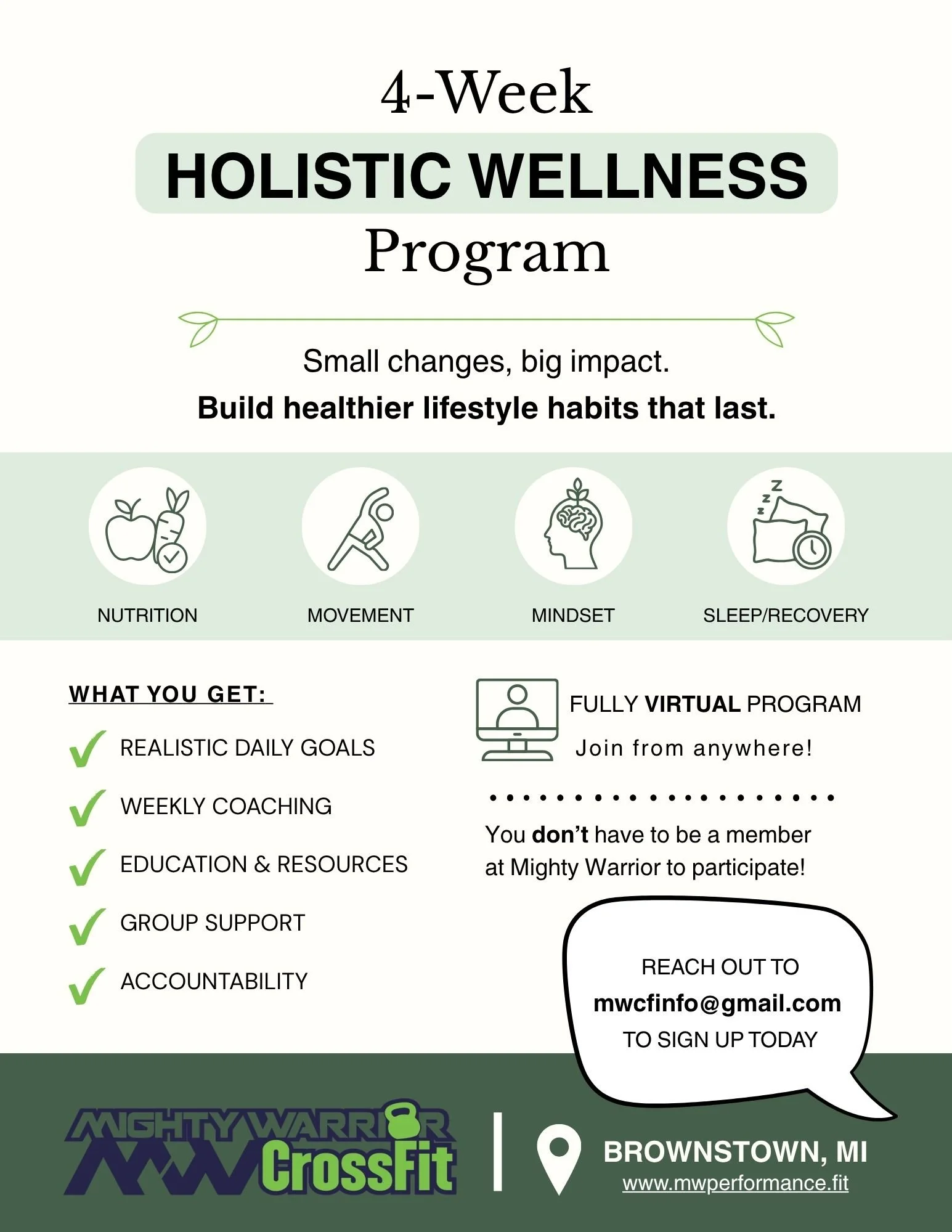
Jaycie Gauci, LMSW, CCATP is a respected colleague, practice owner, and friend of mine who is currently hosting a 4 Week Holistic Wellness Program for individuals looking to build a healthier lifestyle with support!
Check out the information below to learn more!
Follow me on instagram
Explore the Shop
Passionate about wellness? I am currently partnered with two brands that focus on the creation of products to support individual wellness. Navigate the links below to learn more!
Soothing, slightly weighted, pre-shrunk materials that provide comfort and calm as you take on your everyday.
● Ads
Read More