Responses vs. Reactions
Life moves fast
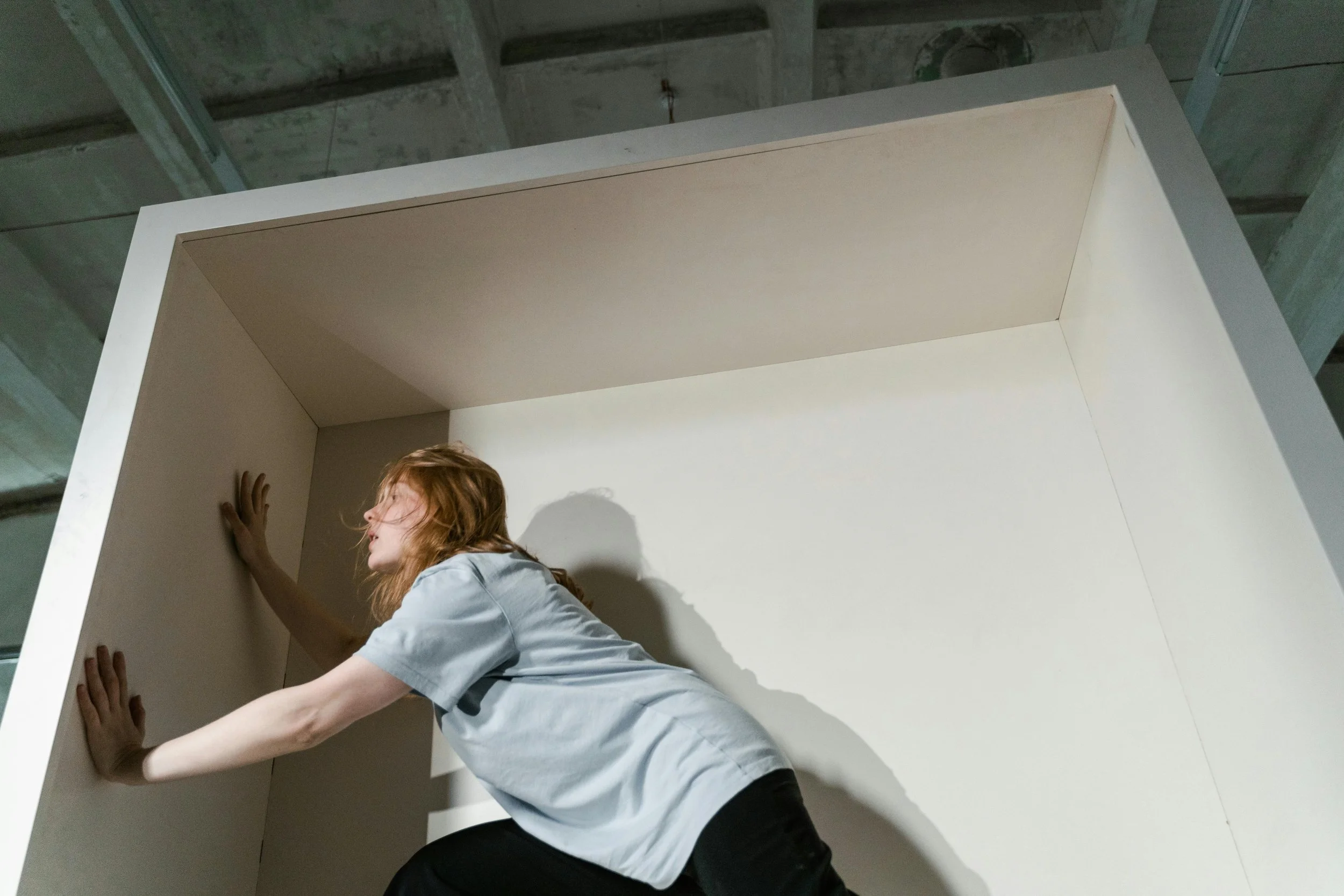
There are moments in life when something bumps up against you — it’s inevitable. A comment lands wrong, plans change unexpectedly, conversational tones feel sharper than the situation calls for. Before you even have a chance to understand what’s happening, your body or mind has already moved.
Your chest tightens, your voice gets defensive, you withdraw, overexplain, or rush to fix things — only to find yourself thinking later, “Why did I respond like that? This is not who I want to be.”
We often think of these moments as character flaws, but they’re really invitations. Invitations to pause, notice, and consider who we are when we’re not being pulled by urgency or old patterns. This week, we explore how to create that small but powerful space to transform reactions into responses.
The Anatomy of a Reaction
Reactivity isn’t a sign that you’re failing, rather a sign of assumptions and patterns beneath the surface. When you understand what’s happening underneath these behaviors, you’re already halfway to shifting them.
The Body Moves First
Reactions begin in the body before the mind has time to interpret anything. Your nervous system scans for threat in milliseconds and responds automatically. This isn’t a failure of self-control, it’s biology. When you understand that your body acts first, it becomes easier to pause with curiosity instead of judgment.
Old Patterns Shape Present Reactions
Your reactions aren’t just about the current moment; they’re shaped by past experiences that taught your body what to expect. If stress or uncertainty once required you to stay alert, your system may still default to those patterns — shutting down, getting defensive, or trying to appease. Noticing this helps you see reactions as learned protection, not personal defects.
A Response Requires Space
Responding isn’t about being calm all the time, it’s about creating even a small pause before acting. A breath or moment of awareness shifts you from automatic reflex to intentional choice. In that tiny space, you reconnect with what matters instead of being pulled by urgency or habit.
The Brain Can be Retrained
Reactivity isn’t permanent. Each time you interrupt an old pattern, your brain builds a new pathway. Over time, these small pauses teach your body and mind that slowing down is safe. This is how responding, with clarity and intention, becomes more natural than reacting.
Off The Page: Actioning The Insights
Shifting into presence

Start with intention and release expectation
Before you explore the practices below, I invite you to approach them with softness. These aren’t tasks to master or measures of how “mindful” you are, they’re simply opportunities to notice what arises when you slow down enough to pay attention.
Some days may feel easy, others messy or unclear, and all of it is part of the work. Your only job this week is to try with curiosity, meet whatever comes up with patience, and offer yourself the grace to be exactly where you are. Each moment of awareness is enough.
Practicing non judgmental awareness
When something stirs you, pause and simply acknowledge it. A quick “I feel tense” or “That surprised me” is enough. For example, if you get a text that feels sharp, instead of replying fast, just notice the irritation in your body. That moment of awareness softens the automatic reaction.
Ask grounding questions
A simple question can reorient you instantly. Try asking, “What matters right now?” or “What is actually needed?” For instance, if a coworker’s email feels demanding, pause and ask yourself that question — you may realize you only need to clarify, not rush or defend.
Practice with delayed responses
Give yourself time before reacting. Stepping away for even a minute can shift everything. If you’re about to send a frustrated message, take a short walk or a sip of water first. You’ll return with a clearer, calmer perspective.
Thank You
Thank you for joining me this week! I’m excited to keep sharing insights from my work, research, and personal journey with you.
Did something resonate with you? Curious about applying these strategies in your life? Or know someone who might benefit?
Use the link below to schedule a consultation or forward this newsletter to a friend!
● I am asking for your support!
Adria Moses @ The School of Radical Healing
I’d like to pause this week to highlight someone very special to me — my friend Adria. She’s preparing for surgery as part of her ongoing healing from Crohn’s Disease and is seeking communal support along the way.
If you feel called, I invite you to learn more and consider supporting her journey below!
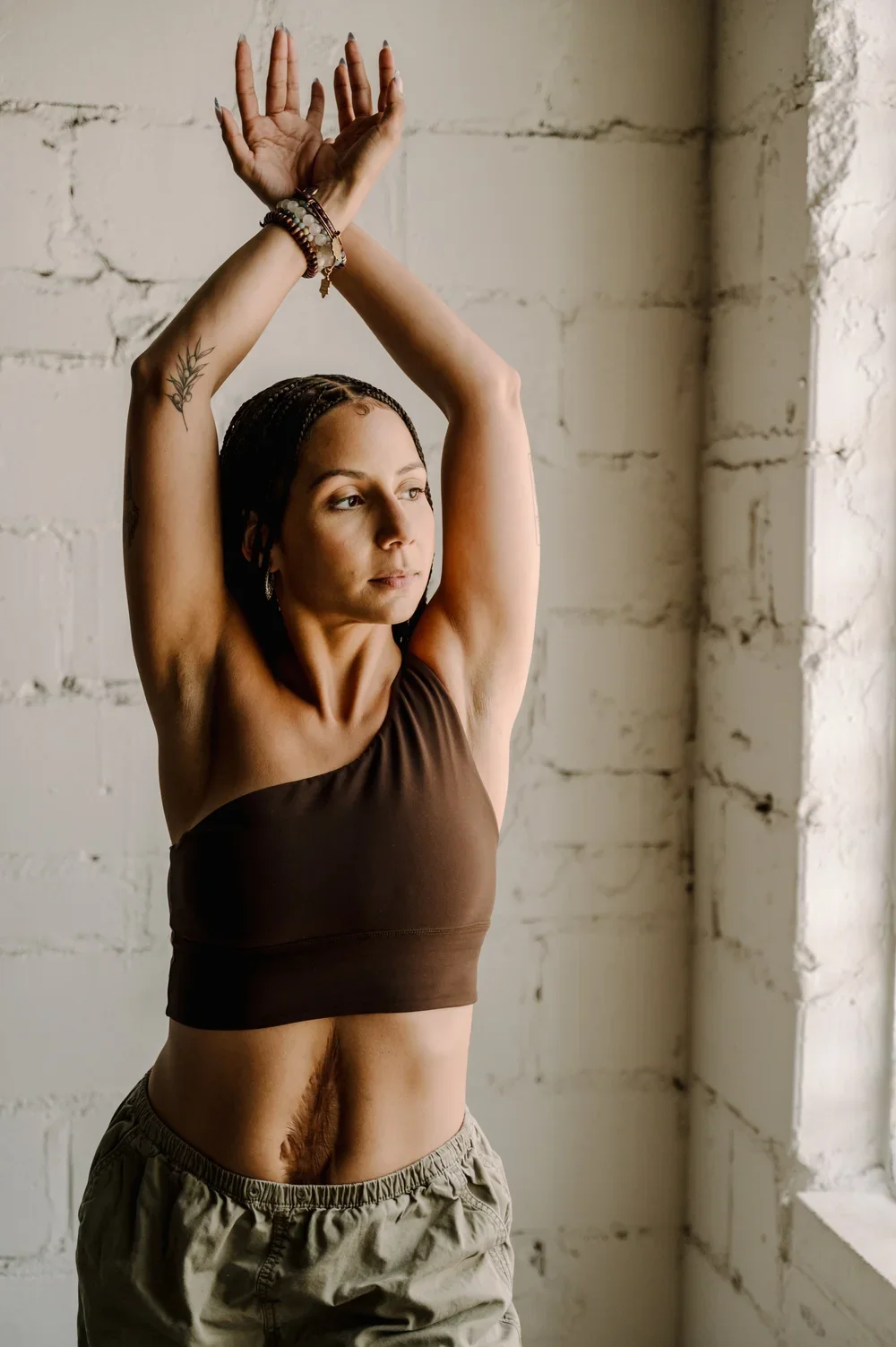
ADRIA — MOSES
“I’ve lived with Crohn’s Disease for most of my life. It’s invisible, unpredictable, and exhausting, and this January I’ll be having another major surgery. This time, I’m choosing to do it differently. I’m asking for help. I created a GoFundMe to support my healing — the time I’ll need to rest, the cost of care, and the essentials that make recovery possible.
I know I can’t do this alone. Every donation, every share, every word of encouragement makes a real difference.”
Extras
Let your voice be heard
Click the button below to share anonymous feedback on Mindful Monday. This will support me in continually bringing aligned insights that you all can action in your day to day life to witness a shift.
● New Reads in the Library!
Click the link below to explore my latest read, “Four Thousand Weeks — Time Management for Mortals” by Oliver Burkeman.
As you know by now, if you have been subscribed to this newsletter for a while, I love reading with friends! This read was an encouragement from my dear friend, fundraiser, consultant, and speaker Chrissey Nguyen Klockner!
Follow me on instagram



Explore the Shop
Passionate about wellness? I am currently partnered with two brands that focus on the creation of products to support individual wellness. Navigate the links below to learn more!
Soothing, slightly weighted, pre-shrunk materials that provide comfort and calm as you take on your everyday.
● Ads
Read More