Healing the Body (and the world*)
We are not alone
When the headlines feel heavy, injustice feels loud, and grief feels collective, it can be difficult to know where to place your energy. Many of us want to do something, and yet our bodies may feel tense, overwhelmed, and exhausted.
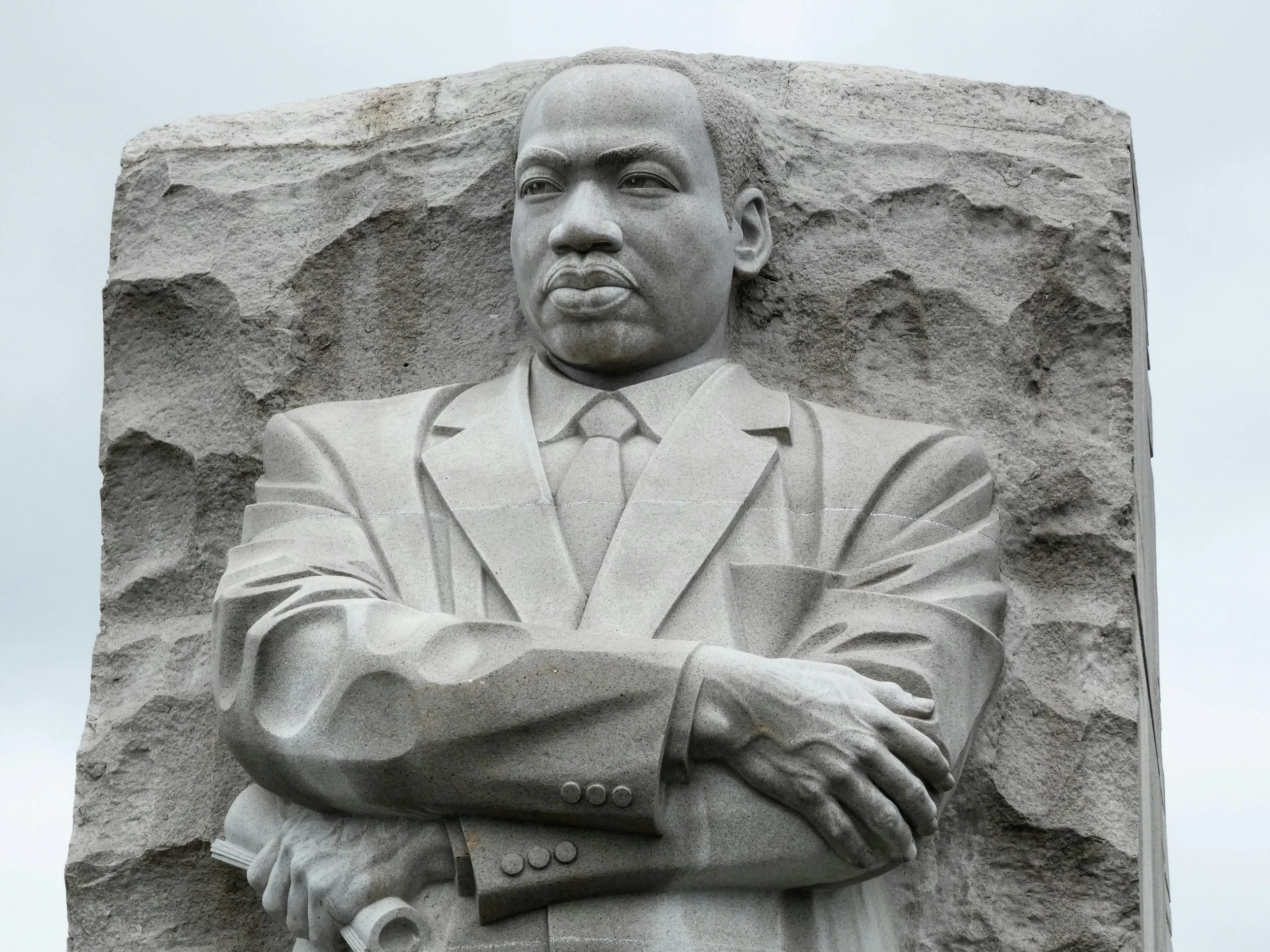
As we honor Martin Luther King Jr. and the legacy of collective liberation, it is worth remembering that sustainable justice has always required more than action alone. It has also required care for the minds and bodies of those continually doing the necessary work to cultivate change.
This week, I offer up reflection on a specific question: What if tending to our minds and bodies is not a detour from the justice that we want to experience, but one of the most essential pathways to it?
Where injustice lives in the body
Currently I am reading, My Grandmother’s Hands by Resmaa Menakem, (click here to add this title to your library) with my book club. The author offers up a powerful reframe that inspired this Mindful Monday — Racialized and collective trauma does not live only in our thoughts or beliefs, it lives in our bodies. Menakem asserts that before we consciously interpret injustice, our nervous system reacts (e.g. tightness, heat, shallow breath, the urge to withdraw, attack, or freeze).
These reflexive responses are not character flaws, but rather survival strategies shaped by generations of unresolved collective trauma. When left unexamined, they can harden into assumptions, snap judgments, or polarized thinking. These are all attempts by the body to find safely quickly, even when those strategies no longer serve us.
“Clean Pain” vs. “Dirty Pain”
Menakem delineates between clean and dirty pain when discussing what we experience, and what we do with it as we navigate our complex lives.
Clean Pain — is the necessary discomfort of growth. Staying present with grief, anger, or fear long enough for the body to process and release it.
Dirty Pain — is what accumulates when trauma is bypassed or projected outward. This manifests as blame, disconnection, chronic outrage, or numbness.
The focus with these distinctions, is to point to the fact that societal injustice does not rest solely on political or systemic change. These efforts matter deeply, but without embodied healing, the same trauma responses risk being reenacted in new forms. When we metabolize pain in the body, we create the conditions for clarity, compassion, and intentional action.
This is where social justice and nervous system care intersect: a regulated body in more capable of listening, discerning, and responding rather than reacting. Healing ourselves does not pull attention away from others, it expands our capacity to truly show up when and where needed.
Off The Page: Actioning The Insights
The 5 Anchors

Embodying Change
This week, consider these practices as gentle invitations to show up in response to conflict or pain in new ways. Each anchor, extrapolated from Menakem’s text, offers a way to stay present with discomfort in the midst of conflict while cultivating steadiness.
1. Soothe yourself and settle your body
In the real world, when conflict of any kind shows up, you need to be able to soothe yourself quickly and might not often have time for a walk around the block or a mediation.
Try this: Be quiet and just breathe even when the urge to react shows up, find an internal resource your body experiences as safe, perform an activity to give you space to settle (e.g step to the restroom, take an intentionally slow sip from your mug)
2. Simply notice bodily sensations without reaction
Stay right here, right now
Try this: Pay attention to the sensation of your clothes on your body, notice sensations that your body picks up (e.g your tongue against the roof of your mouth, the wind blowing against your face), name the sensations that show up (not your emotions or thoughts)
3. Accept the discomfort, instead of trying to flee from it
At first this will feel difficult, but with practice it gets a lot easier
Try this: When you feel an urge to analyze or intellectualize the discomfort, come back to bodily sensations and don’t get lost in your thoughts or rationalizations. When your mind spits out strategies for what to do next, don’t grab on to them. Accepting, experiencing, and moving through this discomfort is the foundation of healing.
4. Stay present in your body and respond with integrity
Use the first 3 anchors to stay present, while you slowly move into the heat, peril, and possibility of conflict.
Try this: When you find yourself focusing on the future or past, or considering what is wrong with you/the person/the situation you are navigating, use the first three anchors to stay here and now. Don’t try to know what will happen next, and respond from a place of integrity — the best parts of yourself.
Note: Typically the most deeply intuitive responses to circumstances feel like whispers, while impulses feel like screams of “How I need to respond”. Stay observant for the whispers you recognize in reflection.
5. Safely discharge remaining energy in the body
For your physical and emotional well being, discharge remaining energy accumulated from the conflict as soon as you reasonably can.
Try this: Exercise, dance, or perform chores that require physical labor for at least 20 minutes
A reflection for this week
Honoring the legacy Martin Luther King Jr. does not require us to carry the weight of the world alone — or to harden ourselves in the process. Change that lasts is built by people who are willing to feel, to rest, to metabolize pain, and to return to the world with steadier hands and clearer hearts.
This week, let your care for yourself be an act of service and let your presence be part of the healing. Trust that tending to the body is not a retreat from justice, it is one of its most radical foundations.
Thank You
Thank you for joining me this week! I’m excited to keep sharing insights from my work, research, and personal journey with you.
Did something resonate with you? Curious about applying these strategies in your life? Or know someone who might benefit?
Use the link below to schedule a consultation or forward this newsletter to a friend!
● I am asking for your support!
Adria Moses @ The School of Radical Healing
I’d like to pause this week to highlight someone very special to me — my friend Adria. She’s preparing for surgery as part of her ongoing healing from Crohn’s Disease and is seeking communal support along the way.
If you feel called, I invite you to learn more and consider supporting her journey below!
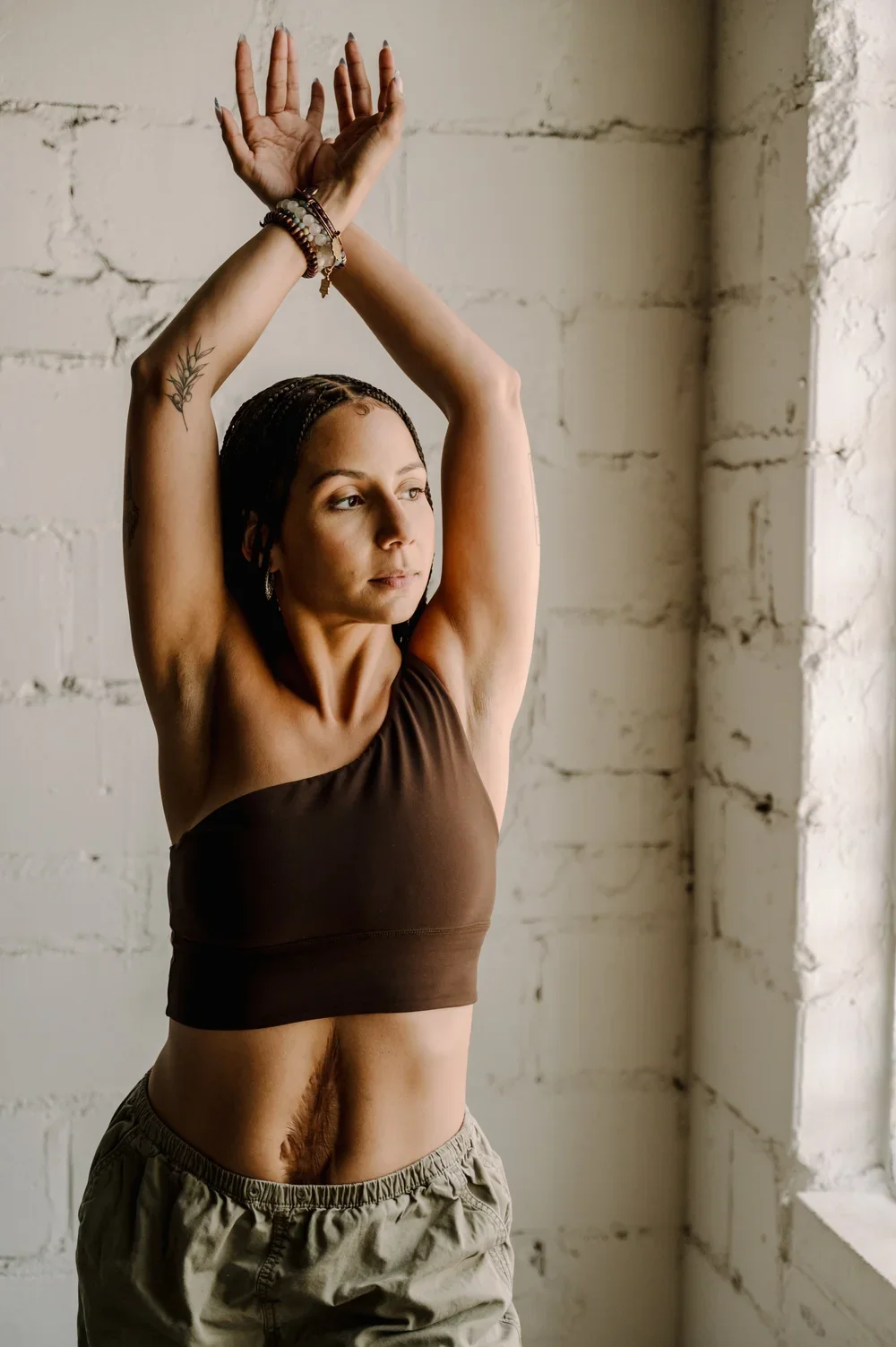
ADRIA — MOSES
“I’ve lived with Crohn’s Disease for most of my life. It’s invisible, unpredictable, and exhausting, and this January I’ll be having another major surgery. This time, I’m choosing to do it differently. I’m asking for help. I created a GoFundMe to support my healing — the time I’ll need to rest, the cost of care, and the essentials that make recovery possible.
I know I can’t do this alone. Every donation, every share, every word of encouragement makes a real difference.”
Extras
Let your voice be heard
Click the button below to share anonymous feedback on Mindful Monday. This will support me in continually bringing aligned insights that you all can action in your day to day life to witness a shift.
● New Reads in the Library!
Click the link below to explore my latest read, My Grandmother’s Hands by Resmaa Menakem!
My favorite books in this season of my life all explore the human experience from multiple perspectives. This can be in the form of non-fiction, or fiction from a perspective that reveals a creative exploration of the worlds that we can create in our mind.
If you have a recommendation for me — send it my way in a response to this email or contact me via the link in the navigation bar!
Follow me on instagram



Explore the Shop
Passionate about wellness? I am currently partnered with two brands that focus on the creation of products to support individual wellness. Navigate the links below to learn more!
Soothing, slightly weighted, pre-shrunk materials that provide comfort and calm as you take on your everyday.
● Ads
Read More